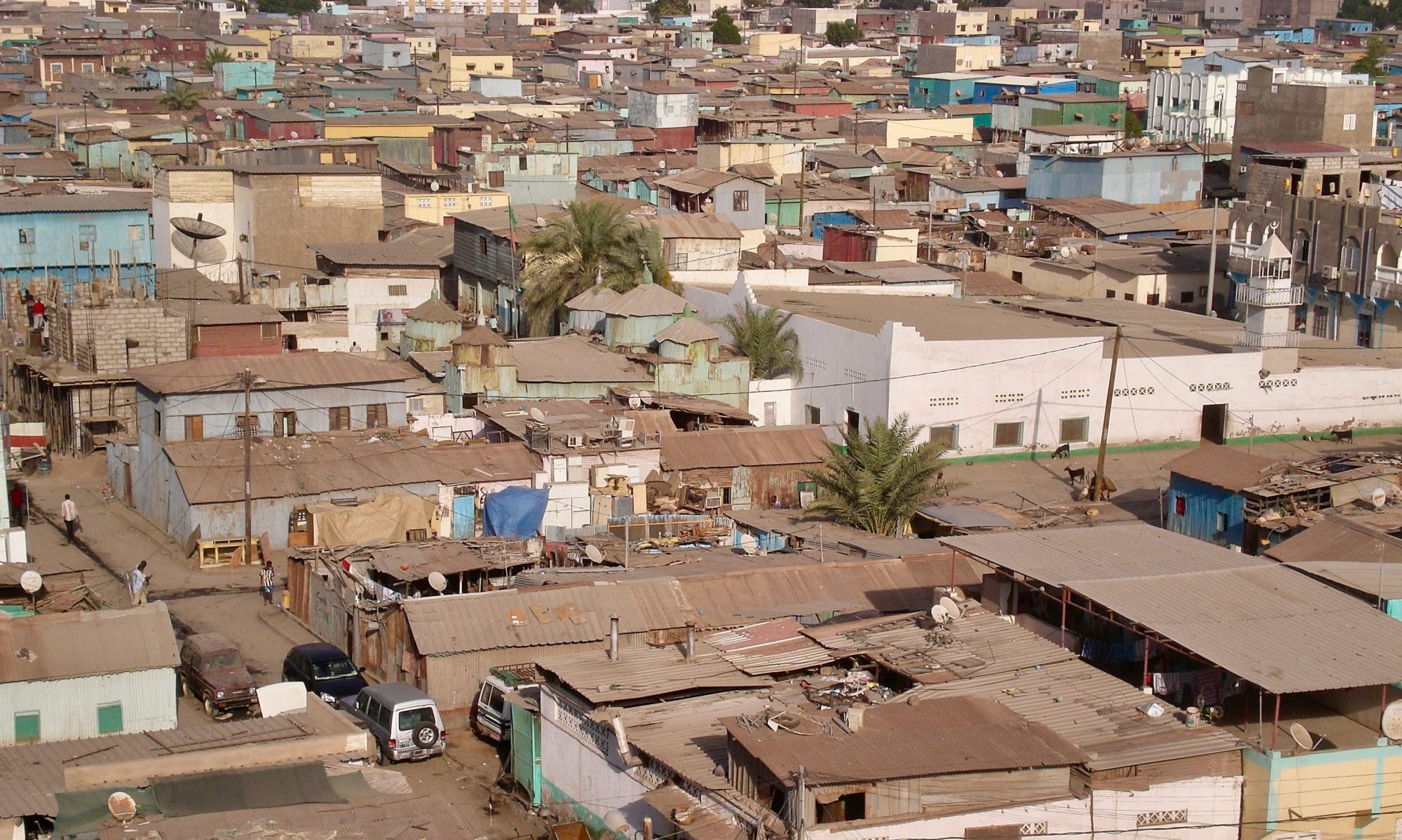

History:
Previous involvement in Horticultural Projects is described in PED Project, so it is wonderful to be able to report on more recent developments.
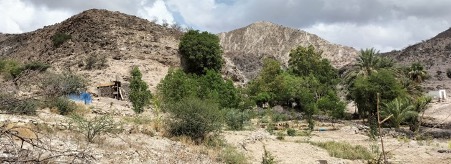
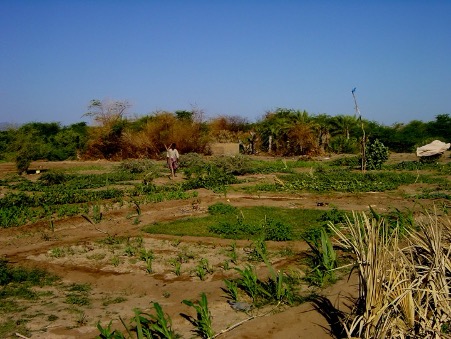
Gardening is undoubtedly very difficult in Djibouti but there are many benefits in having a garden. These extend from having fresh fruit and vegetables for the table to having better quality grass for goats and sheep and to the prevention of land erosion.
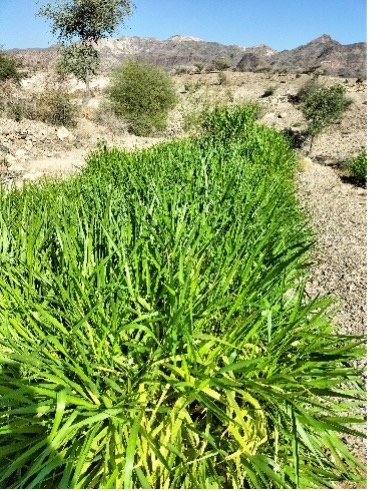
The current garden project has two main goals: regeneration of the current gardens that are cultivated throughout the country and saline agriculture that is a specialised way of cultivating coastal and other areas where excessive salinity limits the type of plants that will grow and thrive.
Horticultural regeneration
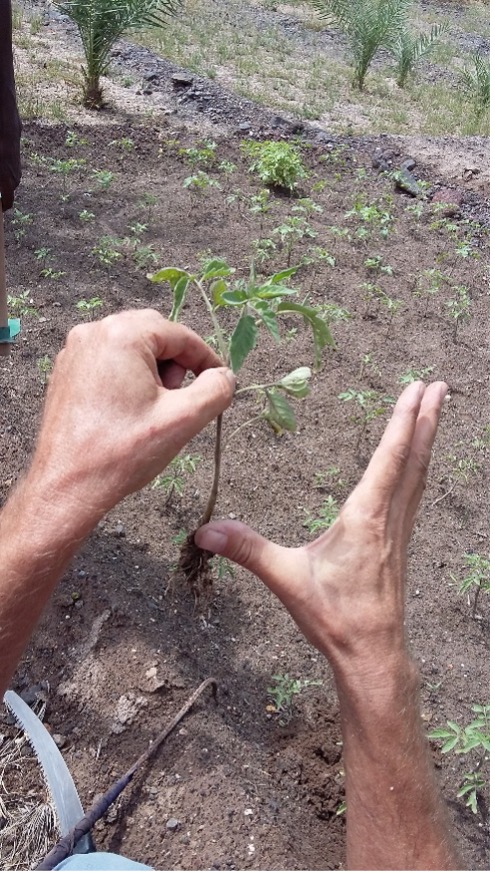
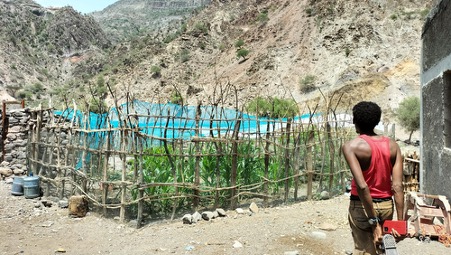
This means helping farmers tend and make the most of their gardens. There are many existing gardens across the Afar region in the north of the country. Partnering with the gardeners and supporting their work through advice and mentorship involves lots of different activities including:
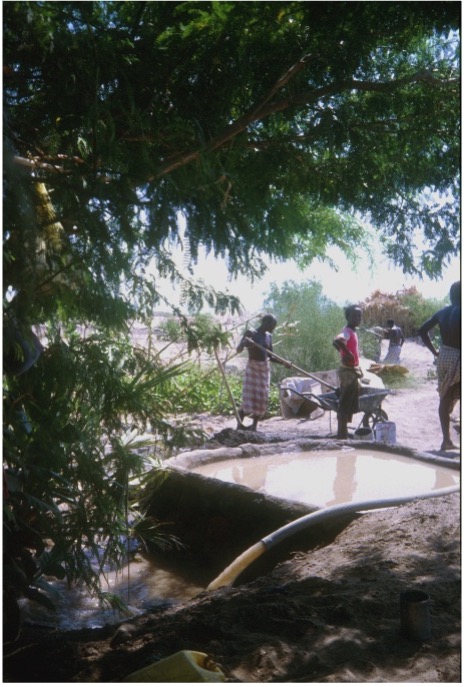
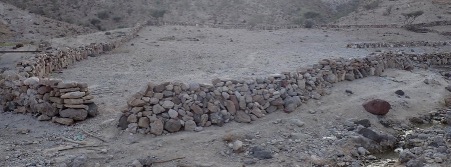
Irrigation: This involves working with locals to instruct and help dig reservoirs. Reservoirs are beneficial because they collect the little water there is when it does rain and prevent it from running down the mountains to the sea. This also prevents erosion and allows the farmers to use that water for their gardens.
Healthy tree growth and maintenance: Trees in Djibouti tend to be cut quite aggressively. While some trees can take that treatment, many fruit trees die after they are trimmed. Proper pruning can help the trees grow better and produce more fruit.
Proper garden maintenance: It is important to teach about fertilizer and the covering of crops to keep moisture in the soil. Fallen leaves create great mulch, covering the soil and keeping it moist. However, it has been common practice to rake leaves out of gardens and burn them. If local workers can be taught the importance of the leaves, they can make their lives easier and help the gardens.
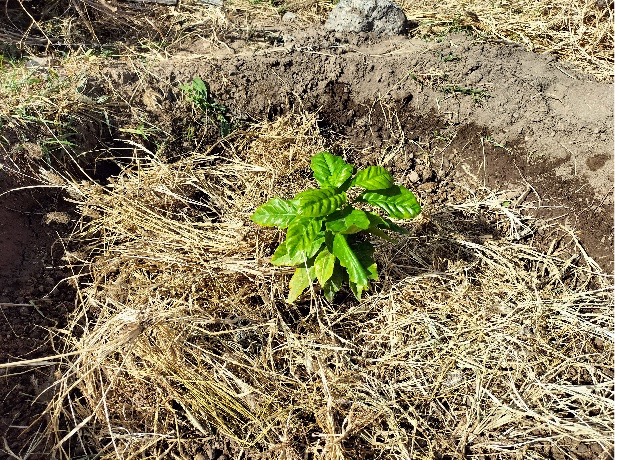
A lot of the partnering with the local gardens is done through a partnership with a local cooperative known as CASMA (Cooperative Agro-Silvopastoral de Mabla).
Cooperative Agro-Silvopastoral de Mabla
An AI search for CASMA tells us:
The “Cooperative Agro-Silvopastoral de Mabla Djibouti” is a project aimed at combating land degradation in Djibouti through sustainable land management. It focuses on restoring and using agro-silvopastoral landscapes by combining agriculture, forestry, and pastoralism to enhance resilience and improve water and resource management for local communities. The project’s initiatives include community-based groups working on practices like planting fodder species to feed livestock, improving soil conditions, and restoring degraded areas.
- Project Goal: To fight land degradation in Djibouti.
- Methodology: Restoring and sustainably managing agro-silvopastoral landscapes through a combination of agriculture, forestry, and pastoralism.
- Community Involvement: Local farmers are organized into working groups to learn and implement new practices.
- Key Activities:
- Planting species that can adapt to the climate and provide fodder for livestock, especially during dry periods.
- Improving soil conditions through techniques like the combination of leguminous species with staple crops.
- Enhancing water and resource management capacity for pastoral communities.
- Benefits: Increased resilience, improved soil conditions, and greater capacity for sustainable resource use.
Saline farming
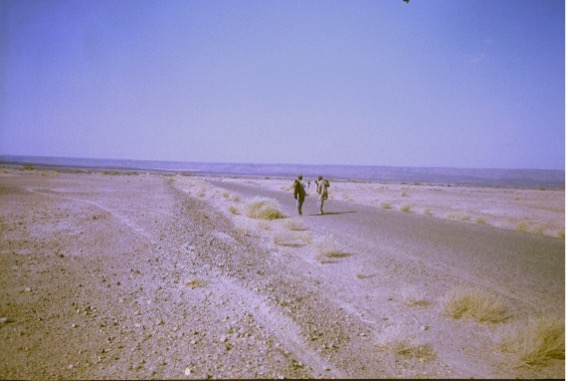
There are some gardens along the coast where it is especially difficult to create and maintain a garden due to the salt water. However, there are salt resistant plants that could grow here so with help and the proper plants these gardens could thrive. The hope of the Horticultural Projects is to visit these gardens and work to help them thrive again.
An AI search for Saline farming tells us:
Saline farming, or biosaline agriculture, is a method of growing crops on saline soils or using saline, brackish, or seawater for irrigation. It is a sustainable response to freshwater scarcity and land degradation caused by salinization due to climate change and rising sea levels. Success relies on selecting salt-tolerant plants, known as halophytes, and using specific water and soil management techniques, with the potential to restore degraded land and create new income opportunities for farmers.
Key aspects of saline farming
- Crop selection: Planting salt-tolerant crops like quinoa, millet, and certain wild plants (halophytes) that are naturally suited to high-salinity environments.
- Water sources: Utilizing alternative water sources such as brackish water, treated wastewater, or even seawater for irrigation, which helps conserve precious freshwater resources.
- Management techniques: Employing specific irrigation, water management, and fertilization strategies to ensure successful cultivation in saline conditions.
- Climate change adaptation: Providing a way to adapt to increasing salinization in coastal areas and to combat food insecurity in regions with scarce freshwater.
- Soil management: Restoring and increasing the productivity of land that has been written off as unusable due to salt accumulation.
- Socio-economic benefits: Creating new, profitable opportunities for farmers, improving food security, and stimulating economic development in affected regions.
Education: Healthy Gardens, Healthy Minds, Healthy Bodies
The garden project also involves educating farmers about the health benefits from the local plants and advising which plants thrive best in the dry, salty climate. There are some amazing plants that grow in Djibouti:
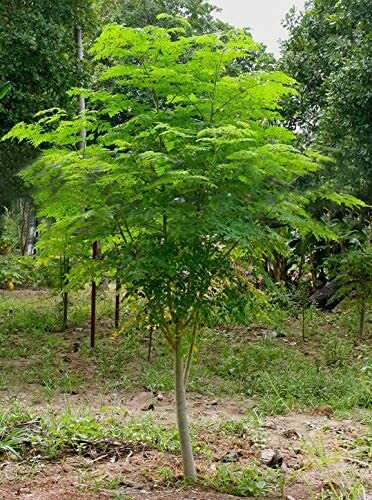
- Moringa: This tree is known as the miracle tree for multiple reasons. It is fast growing and able to grow in poor soil and survive drought. Its seeds, pods, and leaves are edible and packed full of vitamins A, B, and C, potassium, calcium, iron and protein. This super-food has also been known to help treat and prevent blood pressure problems, kidney stones, inflammation, asthma, diabetes, arthritis, upset stomach, and cancer.
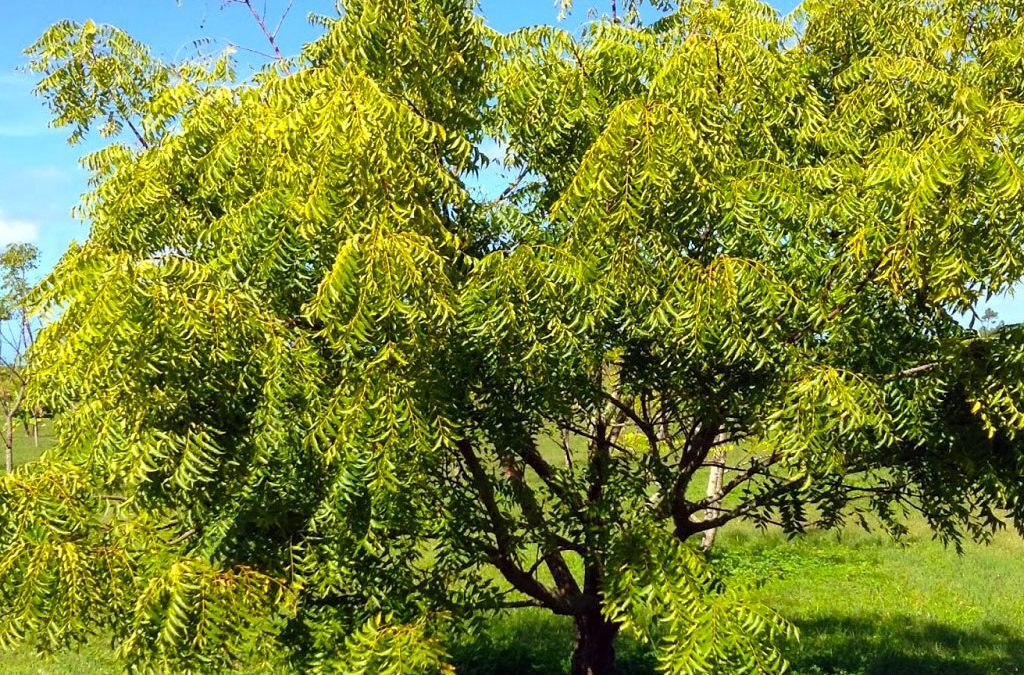
- Neem: Another tree in the country offers wonderful shade, which is helpful to gardens since the temperature is lower in the shaded area and that helps the soil retain water. Besides offering shade, neem also contains pharmacological compounds that have antibacterial and other beneficial effects. Neem leaf is used for leprosy, eye disorders, bloody nose, intestinal worms, stomach upset, loss of appetite, skin ulcers, rashes, or infections, diseases of the heart and blood vessels (cardiovascular disease), fever, diabetes, gum disease (gingivitis), and liver problems. It is also helpful in warding off mosquitos and treating early symptoms of malaria.
[Editor’s note: Some of these traditional uses have been confirmed by modern medical and pharmacological research that is comprehensively reviewed in a brilliant book: An Illustrated Guide to Medicinal Plants in East Africa (2010) by Najma Dharani and Abiy Yenesew.]
Education is not only about developing the farms though. Health workers support the work being done in the gardens through bringing education about general health and wellness advice to the villages and families living in the countryside around the gardens.
There are also activities in the Oasis Centre, Tadjoura that helps educate children about the importance of gardens and their impact on the health of the country and its people.
Just as the desire is to see gardens flourish across the countryside in healthy growth and fruitfulness, so also is there a desire to see that flourishing spread to the people and the country as a whole.
Continuing Needs
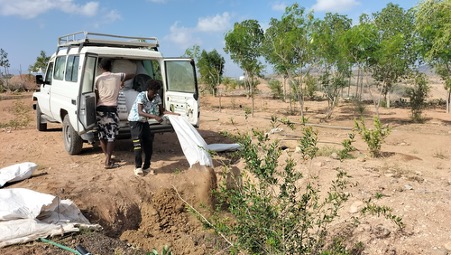
There are two big needs for the garden project right now. Firstly, more workers are needed. People who have a passion for nature and gardening and are willing to partner with the local gardeners. Secondly, a new vehicle. The gardens are spread across the countryside so to reach them often means driving along rough roads. A suitable vehicle is essential for visiting these gardens. The current car is almost 20 years old and is starting to show its age.
What can be achieved
 Kerith Trust