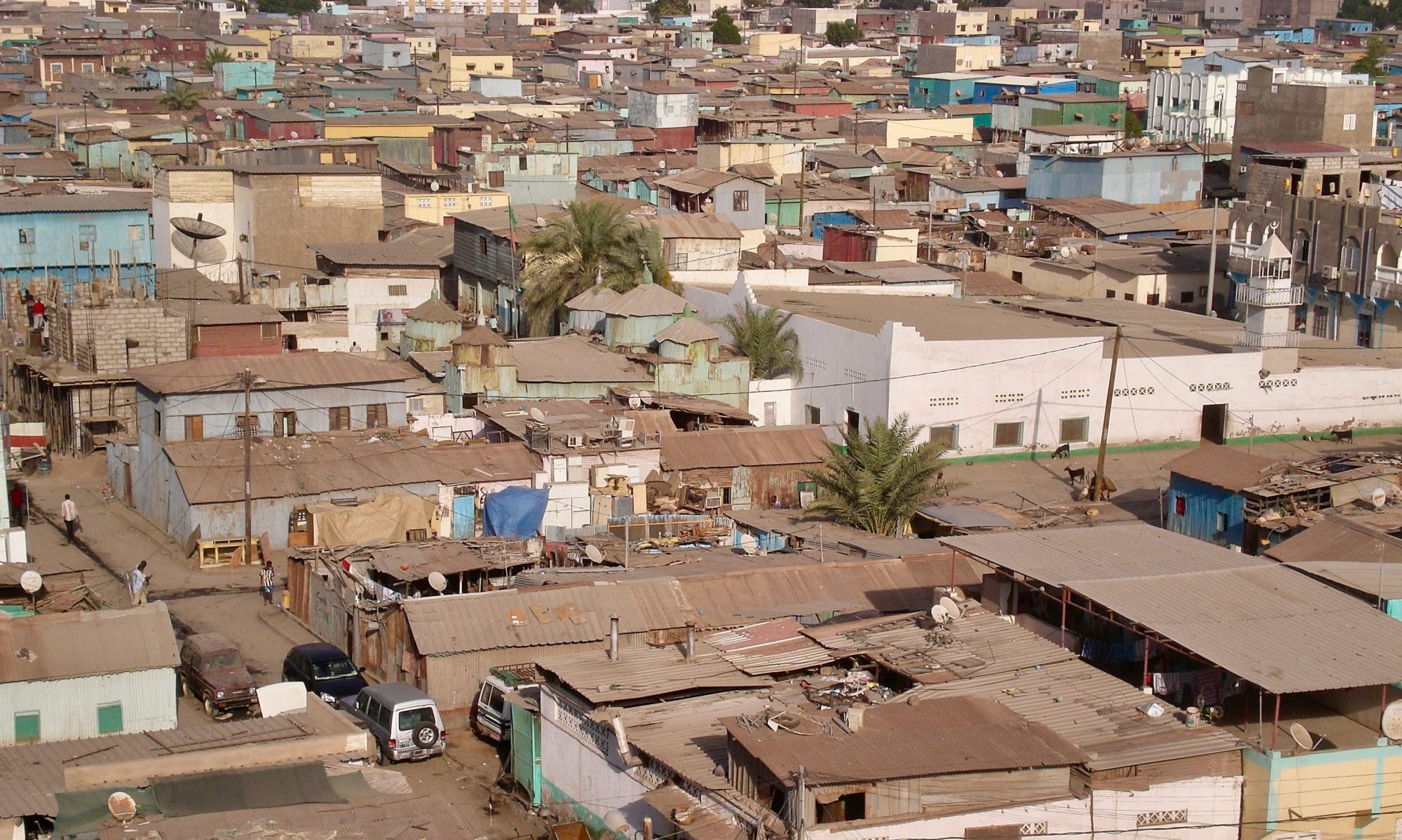

PED project
‘Pompe Economique de Djibouti’
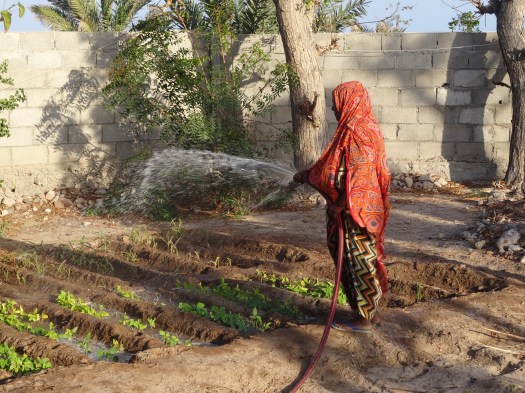
“Supporting small-scale agriculture through low-cost, sustainable irrigation”
The Kerith Trust staff in Djibouti have a long history in helping to develop agriculture in rural areas of Djibouti, particularly in the Hanle Valley.
With very little rain (typically 5 inches per year) and semi-arid conditions, agriculture in Djibouti is not easy. Growing crops is only possible by means of irrigation in order to deliver ground water to the plants. Mostly this means hauling water from a well with a bucket. Due to the lack of rain small-scale farmers typically only grow vegetables and fruit plants.
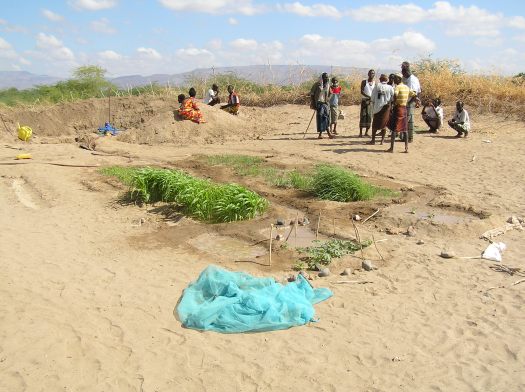
The PED project supported rural small-scale farmers by making available to them, low-cost irrigation pumps. The project also provided financial and technical assistance.
The PED project began in 2004 initially producing and distributing a pedal/foot operated suction pump designed locally. Then, in 2009 the project shifted its focus to importing a new successful low-cost treadle pump from Kenya and India. After that the project predominantly used the Kickstart MoneyMaker pump from Kenya.
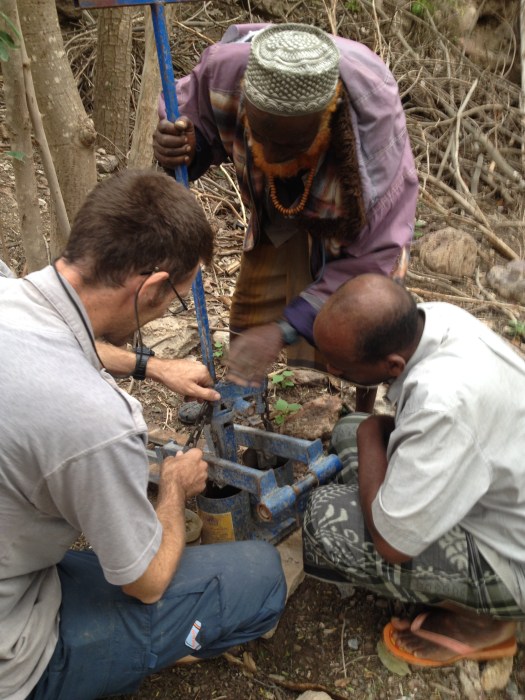
Using the treadle pumps farmers were able to increase the area (typically 2 acres) they could effectively irrigate and farm thereby increasing their productivity and yield. They were also able to grow other types of crops. A big benefit of the treadle pumps provided was that the water emerged from the pump pressurised allowing the farmer to hose or spray his plants with water. As a result, some farmers started growing grass to feed their goats and to sell. Some farmers also grew a little maze to feed their animals.
The small-scale farmer only paid the material cost of the pump. All other costs – shipping, storage, etc were covered by project funding from international donors. Typically, a small-scale farmer was able to pay off the cost of his pump in 5 months.
The project also field-tested low-cost direct driven solar pumps and later a new treadle pump design called the BASILEA.
The typical lifetime of a treadle pump in Djibouti is 3 years and much less the closer to the coast it is used. This is due to the salinity of ground water in Djibouti. This problem was one of the factors taken into consideration in the design of the BASILEA pump. In partnership with PumpenExperten.CH, and People Powered Pumps, the new BASILEA pump design was introduced to small-scale farmers.

Sadly, the project came to an end in 2016 when the leader left Djibouti and it has not been possible since then to find someone with the necessary engineering skills to revitalize the project. That has been disappointing to all concerned as it was a very effective and highly appreciated project.
Maybe one day the right person will turn up!
(Update December 2019: a new member joining in September 2020 has the relevant knowledge and skills so there is hope the PED project will be reactivated. That’s great news!)
The PED project partners were:
People Powered Pumps www.pepopu.swiss
PumpenExperten.CH http://www.pumpenexperten.ch/
 Kerith Trust