
during 2025-2026 season
Another busy season in the gardens ended in mid-May – though the work never truly finishes.
All this season MMR has been partnering with a local association known as Cooperative Agro-Sylvopastorale de Mabla and that has required more than 130 consultation trips to more than 50 gardens. This required about 4000 kilometres driving. Thank goodness for a faithful and functioning vehicle and a dedicated horticulturalist!
The gardens are located in 9 different villages scattered throughout north Djibouti. However, as more gardens are reached, more gardeners become interested so the work grows season by season.
It is a particular joy to see tomatoes growing in the desert. But it is complicated work that often requires going back to the very basics.
In order to grow plants, you need to have healthy soil.
Once you have healthy soil, you need to have good irrigation and in Djibouti, this means dealing with the salinity of the water.
Next, as the plant grows, the gardener needs to understand what each plant needs, as they are not all the same. This is known as plant physiology.
Making sure the plants stay healthy also involves handling pests and diseases.
Trees are plants too but have an extra role in sheltering smaller plants. There is always a need for new trees and old trees need pruning.
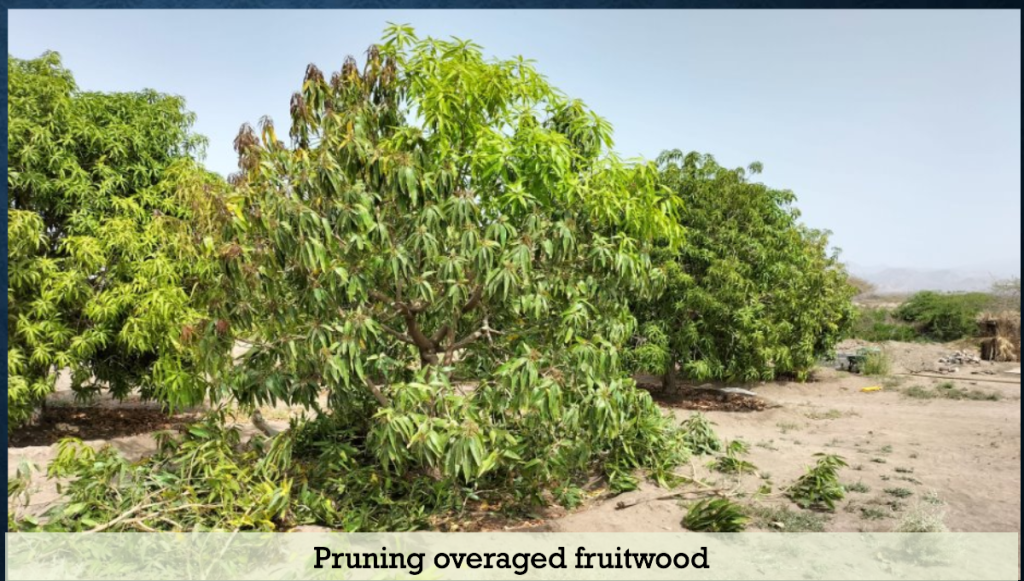
Each step holds its own selection of potential problems and this year was spent tackling some of those.
For example, some solutions to restore the soil health that were tried this year include:
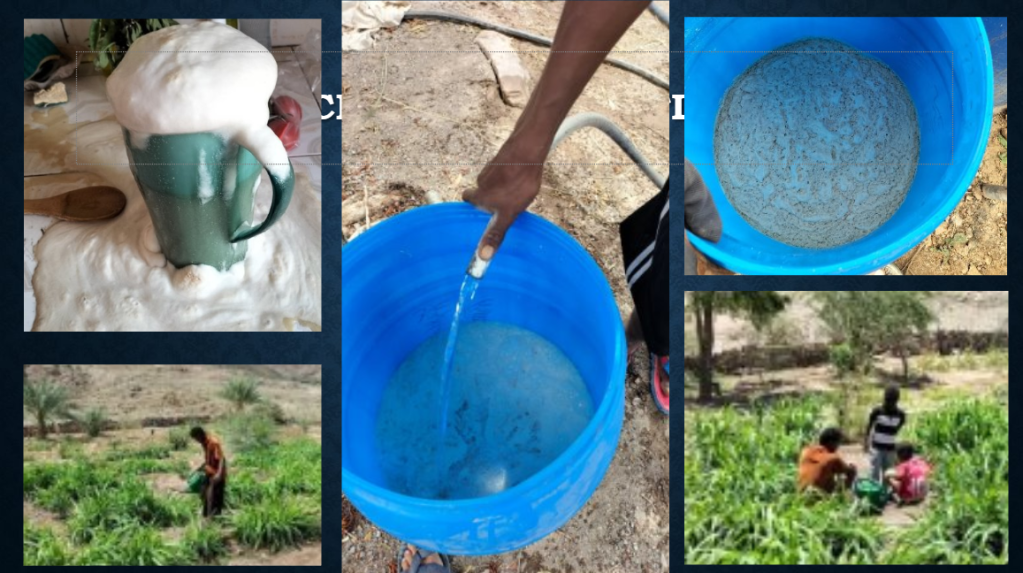
Cultivation and inoculation of microorganisms – using a yeast solution to rejuvenate the soil
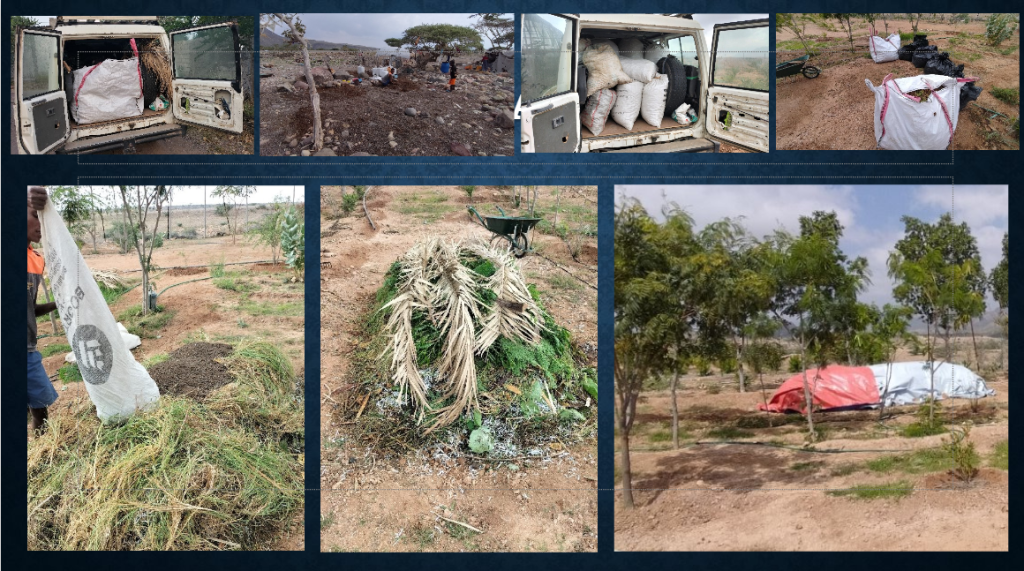
Composting
Liquid compost
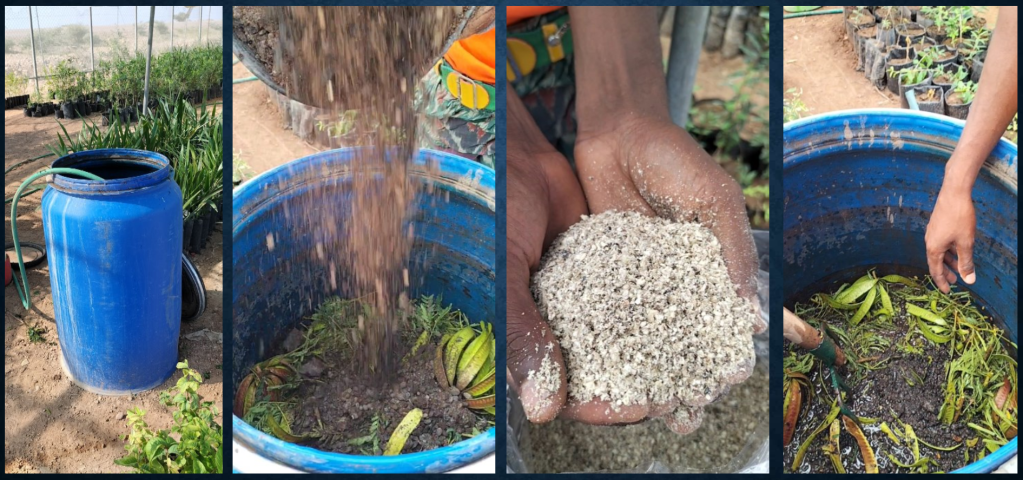
Mulching
Covering crops
Intercropping – planting different plants together that help add to the soil and hold the water
Nitrogen fixing trees and plants
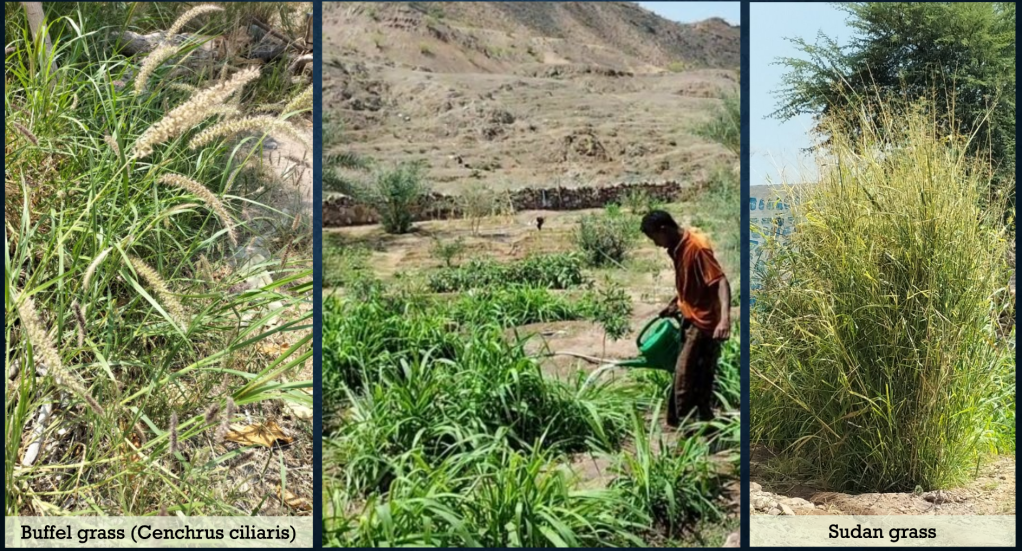
Grasses – help with water retention, prevent erosion, can be mulched under to add nutrients to the soil
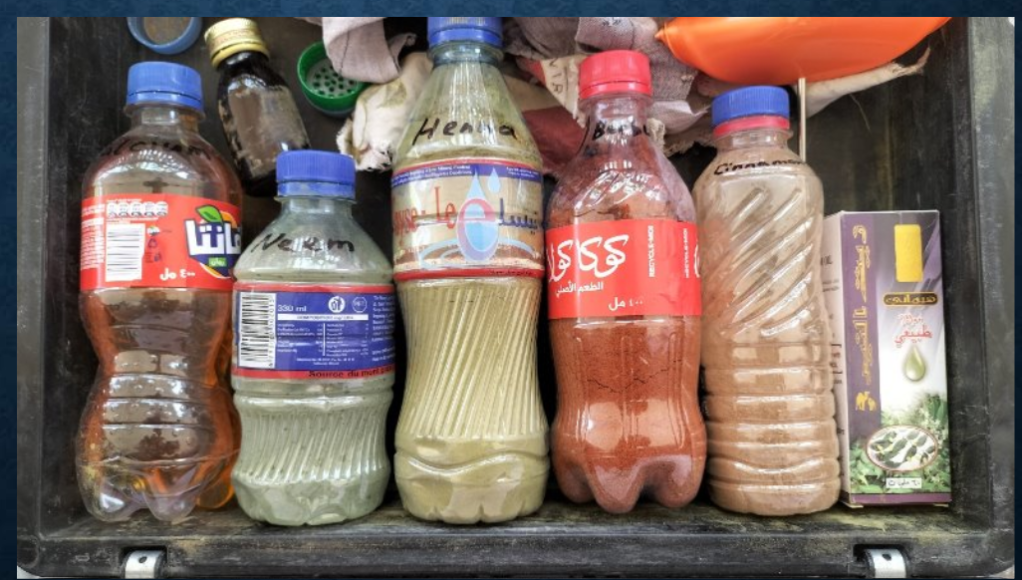
Another example was the need to handle pests. Once a garden becomes healthy and thriving, it attracts all kinds of attention from bugs and pests seeking anything green in a desert. Chemical pesticides are often dangerous for people and animals and can easily burn the plants and destroy the soil if used inappropriately. In contrast, natural pesticides can both prevent pest invasions and also aid the plants. Plus, many of them are easily available locally, such as neem or henna.
This is a summary of a major presentation and a 15-page report that was given to the Ministry of Agriculture.
It has been a joy for the MMR team to partner with local gardeners and encourage them in best practice for their gardens. Thriving plants lead to thriving gardens, which leads to thriving people. Thriving people make for a thriving nation so being even a small part of the flourishing of Djibouti has been a great joy and privilege.
 Kerith Trust